The Importance of Fire Fighting Systems in Ensuring Safety in Commercial Facilities
Fire safety is a critical concern for every commercial facility. Fires can cause devastating damage to property, disrupt business operations, and most importantly, threaten lives. Installing effective fire fighting systems is not just a regulatory requirement but a vital step in protecting people and assets. This article explores why fire fighting systems are essential in commercial buildings, focusing on key components such as sprinkler systems, smoke detectors, and alarms. It also highlights relevant safety standards that guide their design and installation.

Understanding Fire Protection Systems
Fire protection systems are designed to detect, control, and extinguish fires before they escalate. These systems combine detection devices, suppression equipment, and alert mechanisms to provide comprehensive safety coverage. In commercial facilities, where large numbers of people and valuable equipment are present, these systems must be reliable and efficient.
There are two main types of fire protection systems:
Active systems: These require action to operate, such as sprinkler systems and fire extinguishers.
Passive systems: These include fire-resistant walls and doors that contain fire and smoke.
Active fire fighting systems are particularly important because they can automatically respond to a fire, reducing response time and limiting damage.
The Role of Sprinkler Systems
Sprinkler systems are among the most effective fire suppression tools in commercial buildings. They consist of a network of pipes connected to water supplies and sprinkler heads that release water when a fire is detected.
How Sprinkler Systems Work
Each sprinkler head contains a heat-sensitive element that activates when temperatures reach a certain threshold, usually between 135°F and 165°F (57°C to 74°C). Once triggered, water sprays over the fire, cooling it and preventing it from spreading.
Benefits of Sprinkler Systems
Rapid response: Sprinklers activate quickly, often before the fire department arrives.
Damage reduction: Early suppression limits fire damage to property and inventory.
Life safety: Controlling fire spread provides occupants more time to evacuate safely.
Studies show that buildings with sprinkler systems experience 50-75% less fire damage compared to those without. For commercial facilities, this translates into significant savings and enhanced safety.
Importance of Smoke Detectors and Fire Alarms
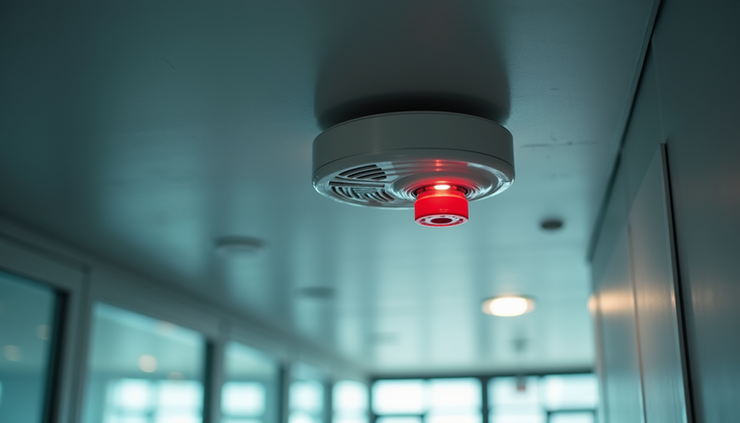
Smoke detectors and fire alarms are critical for early fire detection and occupant warning. They serve as the first line of defense by alerting people to evacuate and initiating emergency responses.
Smoke Detectors
Smoke detectors sense smoke particles in the air and trigger alarms. There are two main types:
Ionization detectors: Better at detecting fast-flaming fires.
Photoelectric detectors: More sensitive to smoldering fires.
Commercial buildings often use a combination of both to ensure comprehensive detection.
Fire Alarms
Once smoke is detected, fire alarms sound loud alerts throughout the building. Modern systems may also include visual signals and automatic notifications to emergency services.
Integration with Other Systems
Smoke detectors and alarms often integrate with sprinkler systems and emergency lighting to create a coordinated fire response. This integration improves safety by ensuring all systems work together seamlessly.
Compliance with Local and International Safety Standards
Fire fighting systems in commercial facilities must comply with strict safety standards to ensure effectiveness and reliability. These standards provide guidelines on design, installation, testing, and maintenance.
Local Standards
In Azerbaijan, where Metafor Construction & Engineering operates, fire safety regulations are governed by national building codes and fire safety laws. These regulations specify requirements for fire detection and suppression systems in commercial buildings.
International Standards
Many commercial facilities also follow international standards such as:
NFPA (National Fire Protection Association) standards, especially NFPA 13 for sprinkler systems and NFPA 72 for fire alarm systems.
ISO 7240 series for fire detection and alarm systems.
EN 12845 for fixed firefighting systems in Europe.
Adhering to these standards ensures that fire fighting systems meet global benchmarks for safety and performance.
Practical Considerations for Commercial Facilities
When planning fire fighting systems, commercial facility managers should consider:
Building size and layout: Larger or complex buildings may require more extensive systems.
Occupancy type: Facilities with high occupant density need faster detection and evacuation measures.
Hazard level: Areas with flammable materials require specialized suppression systems.
Maintenance: Regular inspections and testing are essential to keep systems operational.
Working with experienced engineering firms like Metafor Construction & Engineering ensures that fire fighting systems are tailored to the facility’s specific needs and comply with all regulations.
Summary and Next Steps
Fire fighting systems are essential for protecting commercial facilities from fire hazards. Sprinkler systems, smoke detectors, and alarms work together to detect, suppress, and alert occupants to fires, minimizing damage and saving lives. Compliance with local and international safety standards guarantees that these systems perform effectively when needed.
For commercial facility owners and managers, investing in reliable fire fighting systems is a critical step toward safety and business continuity. Partnering with experts who understand the technical and regulatory requirements will ensure your facility is well protected.
Take action today by consulting with fire safety professionals to assess your current systems and upgrade where necessary. Protect your people, property, and reputation with comprehensive fire fighting solutions.


Comments