Benefits of Energy-Efficient HVAC Systems for Cost Savings and Sustainable Green Buildings
Heating, ventilation and air conditioning can account for a major share of a building’s energy use. In commercial, residential, industrial and mixed-use developments, HVAC performance affects operating costs, indoor comfort, asset value and environmental impact. When systems are poorly designed or outdated, they waste energy every hour the building is in use.
Energy-efficient HVAC systems change that equation. They reduce unnecessary heating and cooling loads, manage airflow more precisely and adapt to real building conditions. For developers, building owners and project teams, this means lower utility costs, better comfort and stronger alignment with green building standards.
For Metafor Construction & Engineering, efficient HVAC design is not just a technical upgrade. It is part of responsible construction that supports long-term building performance.
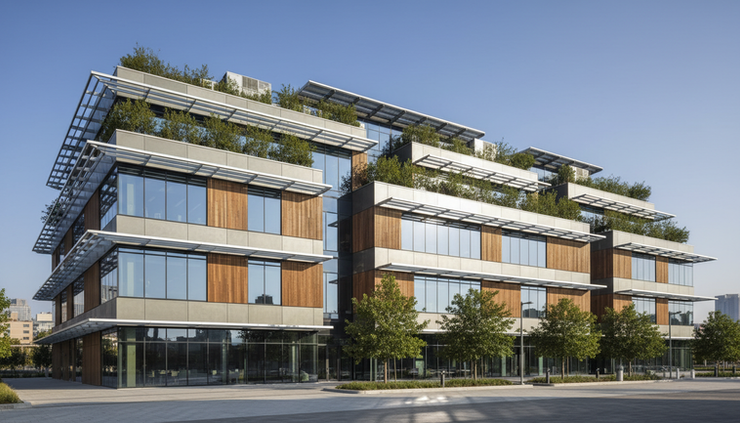
Energy-efficient HVAC systems reduce energy waste at the source
An efficient HVAC system does more than replace old equipment with newer models. It begins with a clear understanding of how a building uses energy. The best results usually come from combining efficient equipment, smart controls, good insulation, proper commissioning and regular maintenance.
Traditional HVAC systems often run at fixed speeds, even when the building only needs a small amount of heating or cooling. This creates unnecessary energy use, uneven temperatures and higher wear on equipment. Modern systems respond more accurately to demand.
Key energy-saving HVAC technologies include:
Variable-speed compressors and fans These components adjust output based on real-time demand. Instead of switching fully on and off, they operate at the level needed to maintain comfort.
Variable refrigerant flow systems VRF systems can heat and cool different zones at the same time. They are useful in buildings where occupancy, solar gain and internal heat loads vary across floors or rooms.
High-efficiency chillers and boilers Modern chillers and condensing boilers achieve better performance by reducing wasted energy during heating and cooling cycles.
Heat recovery ventilation Heat recovery systems capture energy from outgoing air and use it to condition incoming fresh air. This reduces the load on heating and cooling equipment.
Demand-controlled ventilation Sensors measure occupancy or air quality indicators and adjust ventilation rates. This avoids over-ventilating empty or lightly occupied areas.
Smart thermostats and building management systems Automated controls help schedule HVAC operation, monitor performance and detect faults before they become expensive problems.
Each technology has a specific role, but the real value comes from correct integration. An efficient system must match the building’s size, use, climate, envelope design and occupancy pattern. Oversized equipment can be as inefficient as outdated equipment, because it may cycle too often and fail to control humidity properly.
A well-designed HVAC system starts with careful load calculations. Engineers assess heat gain, insulation levels, glazing, orientation, internal equipment and expected occupancy. This design process prevents costly overcapacity and supports stable indoor conditions.
Smart HVAC controls improve comfort and performance
Energy efficiency should not come at the expense of comfort. In well-planned buildings, efficient HVAC systems often improve comfort because they control temperature, humidity and airflow more accurately.
Smart control systems make this possible. They collect data from sensors across the building and adjust HVAC output in response. For example, a conference room, retail space, hotel corridor and residential apartment do not need the same temperature or airflow at the same time. Zoning allows each area to receive the right level of conditioning.
Important control strategies include:
Zoned temperature control Different areas operate independently, which prevents energy waste in unused zones.
Occupancy-based scheduling HVAC operation follows actual use rather than fixed assumptions.
Setback temperatures Systems reduce heating or cooling during off-hours while keeping the building within a safe and comfortable range.
Fault detection and diagnostics Sensors and monitoring tools identify issues such as blocked filters, abnormal pressure, excessive run times or equipment short cycling.
Remote monitoring Facility teams can review system status, energy use and alarms without waiting for occupant complaints.
Smart HVAC controls are especially valuable in large buildings where manual operation cannot keep pace with changing conditions. They also help building managers move from reactive maintenance to planned maintenance. That shift protects equipment, reduces downtime and improves energy performance over time.

Controls also support transparency. Energy dashboards can show how much electricity or gas the system uses, when peak demand occurs and where inefficiencies appear. This information helps owners make informed decisions about upgrades, maintenance and operational policies.
For example, if energy data shows that cooling demand peaks in the afternoon, the design team may review glazing, shading, insulation and control settings. HVAC efficiency then becomes part of a broader building performance strategy rather than a standalone equipment issue.
Long-term cost benefits go beyond lower utility bills
The most visible financial benefit of energy-efficient HVAC systems is reduced energy consumption. Lower monthly utility bills can make a major difference across the life of a building, especially in assets with long operating hours, such as hotels, hospitals, shopping centres, industrial facilities and office towers.
Yet energy cost savings are only one part of the business case.
Efficient HVAC systems can also support long-term cost benefits through:
Reduced maintenance pressure Equipment that runs smoothly and at variable speeds often experiences less stress than systems that repeatedly start and stop at full capacity.
Longer equipment lifespan Properly sized and well-maintained systems can operate more reliably over time.
Lower risk of unplanned downtime Monitoring and diagnostics help identify issues before failure occurs.
Improved asset value Buildings with efficient systems, lower operating costs and better comfort can be more attractive to tenants and investors.
Better space usability Consistent comfort can improve the function of workplaces, retail areas, hospitality spaces and residential environments.
Potential support for certification goals Efficient HVAC design can contribute to green building rating systems when combined with wider sustainability measures.
The payback period for efficient HVAC upgrades varies. It depends on the existing system, energy prices, building use, local climate, installation quality and maintenance practices. In many cases, the best approach is to assess total lifecycle cost rather than only upfront cost.
A cheaper system may seem attractive during construction, but it can become costly if it uses more energy, needs frequent repair or fails to meet comfort expectations. By contrast, a higher-quality efficient system can produce value year after year.
Lower upfront focus
Lifecycle cost focus
Selects equipment mainly by purchase price and may overlook energy use, controls and future maintenance.
Reviews installation cost, energy consumption, maintenance needs, lifespan and long-term building performance.
For project owners, lifecycle thinking is especially important because HVAC systems influence both operating expenses and occupant satisfaction. Energy modelling, early engineering input and proper commissioning can reduce the risk of costly design changes later.
Commissioning deserves special attention. Even well-specified equipment can underperform if installation, controls and testing are not handled correctly. Commissioning verifies that the HVAC system works as designed and that the building team understands how to operate it.
Sustainable HVAC design supports green buildings
Green buildings are designed to use resources responsibly while creating healthy, efficient indoor spaces. HVAC performance is central to that goal because heating, cooling and ventilation directly affect energy consumption and indoor environmental quality.
Sustainable HVAC design supports green buildings in several ways.
First, it reduces operational carbon emissions by cutting the energy required for heating and cooling. When paired with renewable energy, efficient HVAC systems can help a building move further towards low-carbon operation.
Second, it improves indoor air quality through controlled ventilation and filtration. Fresh air supply must be balanced with energy use. Heat recovery ventilation and demand-controlled ventilation help maintain that balance.
Third, it works with passive design. A building with good insulation, effective shading, airtight construction and high-performance glazing needs less mechanical heating and cooling. HVAC efficiency improves when the building envelope reduces unnecessary loads.
Fourth, efficient systems support better water and refrigerant management. For example, modern equipment can reduce wasted energy and may use refrigerants with lower environmental impact, depending on system selection and applicable regulations.

Sustainability also involves durability. A system that performs well for many years avoids premature replacement, reduces material waste and protects the original investment. That is why sustainable design depends on engineering quality, correct installation and planned maintenance.
Energy-efficient HVAC systems are also relevant for organisations that report on environmental performance. Lower energy consumption can support corporate sustainability targets, green lease requirements and environmental, social and governance reporting. While reporting frameworks vary, reliable building performance data can make sustainability claims more credible.
Green buildings are not defined by one product or one system. They rely on integrated design. Architects, engineers, contractors and owners need to align decisions from early concept stage through operation. HVAC design must sit within that wider process.
Choosing the right HVAC approach for each project
No single HVAC system is right for every building. A residential tower, logistics warehouse, hospital, hotel and education facility all have different requirements. The best system depends on the project’s function, climate conditions, building envelope, operational hours, maintenance capacity and budget.
Before selecting HVAC equipment, project teams should review several factors.
Building use and occupancy patterns
Spaces with changing occupancy benefit from zoning, demand-controlled ventilation and flexible control strategies. Buildings with steady internal loads may need a different approach.
Energy targets and certification goals
If the project aims to meet green building standards, HVAC efficiency should be planned from the concept stage. Late-stage changes are often more expensive and less effective.
Indoor air quality needs
Healthcare, hospitality, commercial and residential projects may have different ventilation, filtration and humidity requirements.
Maintenance access
Efficient systems still need inspection, filter changes, cleaning and servicing. Good design provides safe and practical access to equipment.
Integration with other building systems
HVAC design should connect with electrical systems, building management systems, fire safety requirements and architectural constraints.
Future adaptability
Buildings change over time. Tenants move, layouts shift and operating schedules evolve. Flexible HVAC systems can support future use without major redesign.
A practical HVAC strategy may include a mix of technologies. For example, a green commercial building might use high-performance glazing and shading to reduce cooling demand, VRF or high-efficiency chillers to manage loads, heat recovery ventilation for fresh air and a building management system to monitor energy use.
The engineering process should also include clear documentation. Operation manuals, maintenance schedules, control sequences and commissioning records help facility teams maintain performance. Without this information, even an efficient system can drift into poor operation.

Metafor Construction & Engineering approaches HVAC as part of complete building performance. Efficient mechanical systems work best when they are supported by quality construction, careful coordination and practical maintenance planning.
A better HVAC system is an investment in building performance
Energy-efficient HVAC systems deliver value across the full life of a building. They reduce energy use, lower operating costs, improve comfort, support sustainability goals and strengthen the technical quality of green buildings. The strongest results come from early planning, sound engineering, reliable installation and ongoing performance monitoring.
A building that wastes less energy is easier to operate and better prepared for future expectations around efficiency and environmental responsibility. For owners and developers, the decision is not just about equipment. It is about creating assets that perform well, cost less to run and support healthier indoor spaces.
For new developments and renovation projects, HVAC efficiency should be part of the design conversation from the start. When construction and engineering teams plan together, the result is a building that works better on day one and continues to deliver value for years.


Comments