Unlocking Efficiency and Sustainability: The Key Benefits of Smart Building Automation Systems
- 8 hours ago
- 3 min read
Smart building automation systems are transforming how commercial buildings and offices operate. These systems integrate technology to control and monitor building functions such as heating, ventilation, air conditioning (HVAC), lighting, security, and more. The result is a smarter, more efficient, and sustainable environment that benefits building owners, occupants, and the planet.
This article explores what building management systems (BMS) and automation systems are, how they contribute to energy savings and operational efficiency, and their applications in smart offices and commercial buildings. Real-world examples illustrate the practical advantages of adopting these technologies.

Understanding Building Management Systems and Automation
A Building Management System (BMS) is a centralized platform that monitors and controls various building services. It connects sensors, controllers, and devices to automate tasks such as temperature regulation, lighting control, and security monitoring. Automation systems use this data to make real-time adjustments, improving comfort and reducing waste.
Key components of BMS include:
Sensors: Detect temperature, humidity, occupancy, and light levels.
Controllers: Process sensor data and execute commands.
Actuators: Adjust equipment like HVAC units or lighting fixtures.
User Interface: Allows facility managers to monitor and control systems remotely.
Automation systems can be simple, managing a single function, or complex, integrating multiple systems for holistic building control.
How Smart Automation Drives Energy Savings
Energy consumption in commercial buildings accounts for a significant portion of global energy use. Smart automation systems reduce this consumption by optimizing how energy is used.
Precise Climate Control
Traditional HVAC systems often run continuously or on fixed schedules, wasting energy when spaces are unoccupied. Smart systems use occupancy sensors and weather forecasts to adjust heating and cooling only when needed. This targeted approach can reduce HVAC energy use by up to 30%.
Efficient Lighting Management
Automated lighting adjusts brightness based on natural light availability and room occupancy. For example, daylight harvesting dims artificial lights when sunlight is sufficient. Motion sensors turn off lights in empty rooms. These strategies can cut lighting energy use by 20-60%.
Equipment Scheduling and Monitoring
Automation schedules equipment operation during off-peak hours or when demand is low. It also monitors equipment performance to detect inefficiencies or faults early, preventing energy waste and costly repairs.
Enhancing Operational Efficiency with Automation
Beyond energy savings, smart building automation improves overall operational efficiency.
Centralized Control and Monitoring
Facility managers can oversee all building systems from a single dashboard. This visibility simplifies maintenance, reduces response times to issues, and improves decision-making.
Predictive Maintenance
Automation systems analyze data trends to predict when equipment needs servicing. This proactive approach reduces downtime and extends equipment lifespan.
Space Utilization Insights
Sensors track how spaces are used, helping managers optimize layouts and reduce unused areas. This can lead to cost savings on rent and utilities.
Smart Offices and Commercial Buildings: Real-World Applications
Smart building automation is especially valuable in offices and commercial spaces where energy use and occupant comfort are critical.
Case Study: Office Building in Baku
A mid-sized office building in Baku implemented a BMS to control HVAC, lighting, and security. After installation, the building reported:
25% reduction in energy bills within the first year.
Improved employee comfort due to consistent temperature and lighting.
Faster response to maintenance issues through real-time alerts.
Retail Spaces
Retail stores use automation to create inviting environments while managing costs. Automated lighting highlights products during business hours and dims after closing. HVAC systems adjust based on customer presence, saving energy during quiet periods.
Hotels and Hospitality
Hotels benefit from automation by personalizing room settings for guests and reducing energy use when rooms are unoccupied. Smart systems also integrate with security and fire safety controls for enhanced protection.
Sustainability and Environmental Impact
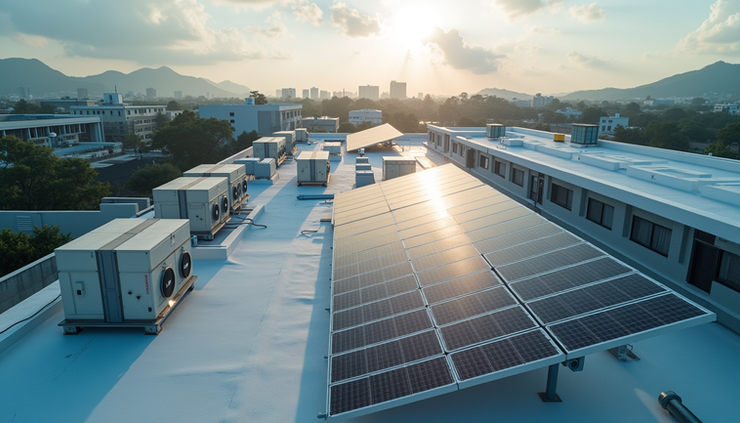
Smart building automation supports sustainability goals by lowering carbon footprints. Reduced energy consumption means fewer greenhouse gas emissions. Additionally, automation can integrate renewable energy sources like solar panels, managing energy storage and usage efficiently.
Buildings equipped with smart systems often qualify for green building certifications such as LEED or BREEAM, which can increase property value and attract environmentally conscious tenants.

Getting Started with Smart Building Automation
For building owners and managers considering automation, these steps can help ensure success:
Assess Needs: Identify which systems to automate based on energy use and operational challenges.
Choose Scalable Solutions: Select systems that can grow with your building’s needs.
Work with Experts: Partner with experienced providers who understand local regulations and technologies.
Train Staff: Ensure facility teams know how to use and maintain the systems.
Monitor and Adjust: Continuously review system performance and make improvements.
Smart building automation systems offer clear benefits in energy savings, operational efficiency, and sustainability. By adopting these technologies, commercial buildings and offices can reduce costs, improve occupant comfort, and contribute to a greener future. Exploring these systems is a practical step toward smarter, more responsible building management.



Comments