How Smart Buildings Cut Operational Costs in Commercial Real Estate
- 9 minutes ago
- 8 min read
A commercial building can lose money quietly. Lights stay on in empty areas. Heating and cooling systems work against each other. Equipment runs longer than it needs to. Maintenance teams react to faults after tenants have already noticed a problem.
Smart buildings change that pattern. They use connected systems, sensors, automation, and energy monitoring to make a property easier to manage and cheaper to operate. For owners, developers, and facility managers, the value is practical: lower utility bills, fewer equipment failures, better tenant comfort, and clearer control over building performance.
For Metafor Construction & Engineering, smart building design is not only a technology choice. It is part of building commercial assets that remain efficient, competitive, and easier to manage over their full life cycle.

Smart buildings use connected systems to control waste
A smart building uses digital technology to monitor and manage key building systems. These may include heating, ventilation, air conditioning, lighting, access control, lifts, fire safety systems, water systems, and energy meters.
The goal is not to add technology for its own sake. The goal is to make the building respond to real conditions.
A traditional building often runs on fixed schedules. The air conditioning starts at the same time every morning. Lights stay on until someone turns them off. Ventilation may run at full capacity even when only part of the building is occupied.
A smart building works differently. It gathers data from sensors and equipment, then adjusts systems based on occupancy, temperature, daylight, air quality, and energy use. This approach helps cut operational costs in commercial real estate because the building uses less energy when demand is low and supports comfort when demand rises.
Common smart building technologies include:
Building management systems
A central platform that monitors and controls mechanical and electrical systems.
Occupancy sensors
Devices that detect whether people are present in a room, corridor, car park, or shared space.
Smart lighting controls
Lighting systems that adjust based on movement, schedules, daylight, or zone requirements.
Smart HVAC controls
Heating, cooling, and ventilation systems that respond to temperature, occupancy, and indoor air quality.
Energy monitoring systems
Metering tools that track electricity, gas, water, and system-level consumption.
Predictive maintenance tools
Software and sensors that detect early signs of equipment wear or abnormal performance.
When these systems work together, they create a clearer picture of how the property performs each day. That data becomes a direct tool for cost control.
Automation reduces unnecessary energy use
Energy is usually one of the biggest operating costs in commercial real estate. HVAC systems, lighting, lifts, pumps, and ventilation can all draw significant power. Small inefficiencies across a large building can add up quickly.
Automation helps reduce this waste by making sure systems run only when needed and at the right level.
For example, a smart HVAC system can lower cooling in an empty meeting room, reduce ventilation in lightly used zones, and pre-condition high-traffic areas before peak occupancy. A smart lighting system can dim lights near windows when daylight is strong, turn lights off in unused corridors, and adjust output according to time of day.
This does not mean sacrificing comfort. The best building automation systems balance savings with usability. Tenants still need reliable temperature, good lighting, fresh air, and safe access. Smart automation supports those needs while removing waste from the background.
Cost area | Traditional building behaviour | Smart building behaviour |
Lighting | Runs on fixed schedules or manual switches | Adjusts by occupancy, daylight, and zones |
HVAC | Conditions large areas even when partly empty | Responds to zone demand and real-time use |
Maintenance | Repairs happen after faults are reported | Early warnings help teams act sooner |
Energy reporting | Bills show total use after the fact | Live data shows where energy is being used |
Tenant comfort | Problems are reported manually | Sensors track conditions and reveal patterns |
Automation also reduces the pressure on facility teams. Instead of checking every system manually, staff can view alerts, reports, and system status from a central platform. This helps prioritise work and reduce time spent on routine inspections.

Sensors turn building activity into useful data
Sensors are the foundation of many smart building technologies. They provide real-time information about what is happening inside and around the property.
Different sensors support different goals:
Motion and presence sensors detect whether a space is occupied.
Temperature sensors track comfort levels across zones.
Humidity sensors help control indoor conditions and protect materials.
Carbon dioxide sensors indicate ventilation needs.
Light sensors measure daylight and support automatic dimming.
Water leak sensors help identify faults before damage spreads.
Vibration sensors can reveal abnormal equipment behaviour.
In commercial buildings, this data helps managers move from guesswork to evidence-based decisions.
For example, occupancy data may show that some floors are consistently underused on certain days. The building can reduce lighting and HVAC in those zones while maintaining full service in occupied areas. Air quality sensors can help ventilation systems deliver fresh air where needed, rather than running at the same intensity all day. Leak sensors can alert maintenance teams before water damage affects finishes, equipment, or tenants.
The value grows when sensor data is combined with building management software. A single sensor is useful. A network of sensors connected to automation is much more powerful.
A smart building can identify patterns such as:
Higher energy use during low-occupancy periods
Rooms that overheat or overcool compared with nearby zones
Equipment that runs outside normal schedules
Repeated faults in the same system
Areas where lighting levels are higher than required
These patterns help facility teams correct problems before they become expensive. They also help owners plan future upgrades with more confidence.
Energy monitoring makes hidden costs visible
A monthly utility bill tells a building owner how much energy was used. It does not explain where the energy went, which system caused a spike, or whether consumption was normal for that level of occupancy.
Energy monitoring closes that gap. Smart meters, submeters, and monitoring platforms show energy use in more detail. They can track consumption by floor, tenant area, system type, or equipment group.
This visibility matters because operational savings often come from specific fixes, not broad assumptions.
For instance, energy monitoring may reveal that a chiller runs longer than expected at night. It may show that lighting loads remain high after closing hours. It may identify a tenant zone with unusual consumption or a pump that cycles too often.
With better data, building teams can take targeted action. They can adjust operating schedules, correct control settings, repair faulty equipment, or improve tenant energy awareness.
The main advantage of energy monitoring is simple: it shows where cost is being created before the next bill arrives.
Energy monitoring also supports reporting. Many commercial real estate investors, tenants, and asset managers now pay close attention to energy performance and sustainability. Buildings that can provide accurate consumption data are easier to manage, compare, and improve.
For developers and owners, that can support:
Better budgeting for utilities
More accurate service charge management
Clearer energy performance tracking
Evidence for retrofit decisions
Stronger sustainability reporting
The benefit is both financial and operational. When energy data is visible, it becomes easier to control.

Predictive maintenance lowers repair and downtime costs
Reactive maintenance is expensive. A system fails, tenants complain, technicians investigate, parts are ordered, and operations are disrupted. The direct repair cost may be only part of the problem. Downtime, emergency callouts, tenant dissatisfaction, and damage to other systems can increase the total cost.
Smart buildings support a more planned approach.
Connected equipment can report performance data such as running hours, temperature, vibration, pressure, flow rates, and fault codes. When these readings move outside normal ranges, the system can warn facility teams before failure occurs.
This is especially useful for:
HVAC equipment
Pumps and motors
Lifts and escalators
Electrical panels
Water systems
Ventilation equipment
Predictive maintenance does not remove the need for skilled technicians. It helps them work at the right time, with better information. Instead of waiting for breakdowns, maintenance teams can inspect equipment when warning signs appear.
This can reduce emergency repairs and extend the service life of major building assets. It also supports better planning, since maintenance can be scheduled during quieter periods or outside peak operating hours.
For commercial properties, reliability is part of value. A building that keeps systems running smoothly protects tenant experience and reduces unexpected operational stress.
Benefits for commercial real estate owners and tenants
Smart buildings create value across the commercial real estate chain. The owner gains better cost control. The facility team gains clearer data. Tenants gain more stable comfort and service quality. Investors gain a property that is easier to assess and manage.
The main commercial benefits include:
Lower operating expenses
Energy savings, reduced waste, and fewer emergency repairs can lower ongoing costs. Even modest improvements can be meaningful across large buildings or property portfolios.
Higher tenant satisfaction
Comfort matters. Temperature, lighting, indoor air quality, and reliability all affect the daily experience of a building. Smart systems help maintain better conditions and respond faster when issues appear.
Improved asset value
Efficient, well-managed buildings are more attractive to many occupiers and investors. Strong building systems can support leasing, retention, and long-term asset performance.
Better sustainability performance
Lower energy and water use can reduce environmental impact. Clear data also supports energy audits, certification processes, and sustainability reporting.
More efficient facility management
A central view of systems, alarms, and performance trends helps teams work with more accuracy. This is valuable in single properties and even more useful across larger portfolios.
Smart building design also helps owners prepare for changing expectations. Commercial tenants increasingly ask about energy performance, indoor comfort, digital access, and operational reliability. A building that can answer those questions with data has a stronger position in the market.
Smart building planning should start early
Smart building performance depends on more than installing devices near the end of construction. The best results come when technology, engineering, architecture, and operations are planned together from the start.
Early planning helps avoid common problems such as systems that cannot communicate, sensors placed in poor locations, or software that does not match the facility team’s needs. It also helps ensure that cabling, plant rooms, access points, and control systems are designed with long-term maintenance in mind.
Key planning questions include:
Which operational costs are the highest priority to reduce?
Which systems should be connected to the building management system?
What level of data does the owner or operator need?
How will tenants interact with smart systems?
Who will monitor alarms, reports, and system performance?
How can the design allow future upgrades?
A practical smart building strategy focuses on clear outcomes. Lower energy use. Better maintenance. Higher comfort. Easier reporting. Reduced downtime. Technology should serve these goals.
For construction and engineering teams, this means coordinating mechanical, electrical, digital, and architectural requirements early. Smart building technologies work best when they are part of the building’s core infrastructure, not treated as an add-on.
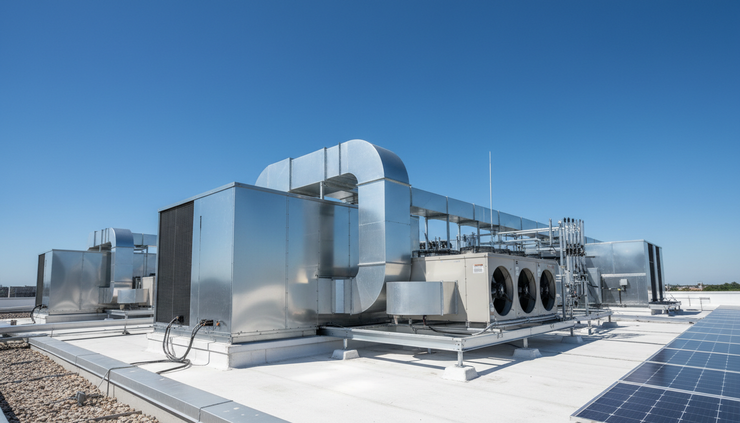
The long-term case for smarter commercial buildings
Smart buildings cut operational costs by reducing waste, improving control, and giving owners better information. Automation adjusts systems to real demand. Sensors reveal how spaces are used. Energy monitoring shows where money is being spent. Predictive maintenance helps prevent costly failures.
For commercial real estate, these gains go beyond lower bills. A smarter building can offer better comfort, stronger reliability, clearer sustainability data, and a more attractive asset for tenants and investors.
The most successful projects start with a clear plan. Smart technology should be selected around the building’s purpose, operating model, and long-term cost goals. When engineering, construction, and digital systems are aligned from the beginning, the result is a building that performs better every day.
Operational costs will always matter in commercial real estate. Smart buildings give owners and managers the tools to control them with precision, rather than react to them after the money is already spent.


Comments